

Can AI Companion Dolls Improve Emotional Wellbeing?

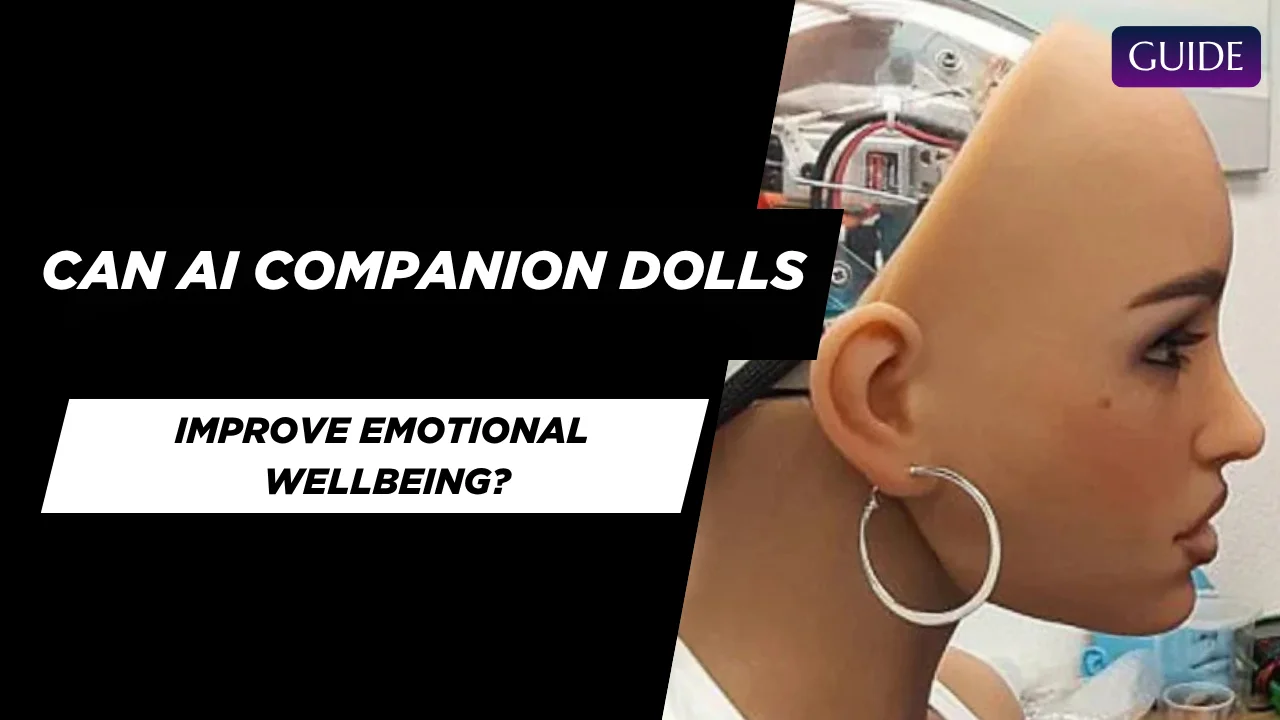
AI companion dolls are increasingly discussed in the context of emotional wellbeing, loneliness reduction, and digital companionship. While they are not a replacement for human relationships or professional mental health care, they may provide comfort, structured interaction, and a sense of presence for some users. This article explores what current psychological and clinical perspectives say about their potential benefits and limitations.
Can AI Companion Dolls Improve Emotional Wellbeing?
AI companion dolls may help improve emotional wellbeing for some individuals by reducing feelings of loneliness, providing routine social interaction, and offering non-judgmental companionship. However, their benefits are context-dependent and should not be considered a substitute for real human relationships or professional mental health support. Research in human–computer interaction and psychology suggests that perceived social presence—not physical reality—can influence emotional comfort and stress levels.
Understanding AI Companion Dolls and Emotional Support
AI companion dolls are interactive systems that combine physical or virtual embodiments with conversational AI. Unlike traditional objects, they respond, remember preferences, and simulate social interaction.
From a psychological standpoint, their impact is often explained through:
- Social presence theory: humans can form emotional responses even to artificial agents when interaction feels “real enough.”
- Attachment theory (applied context): people may develop emotional bonds with consistent, responsive entities.
- Companion technology research: studies in human–robot interaction show that perceived companionship can reduce subjective loneliness in some users.
According to perspectives summarized by the American Psychological Association (APA), loneliness is closely linked to perceived lack of meaningful social connection rather than physical isolation alone.
Potential Emotional Wellbeing Benefits
| Psychological Benefit | Description | Potential Impact |
|---|---|---|
| Reduction of Loneliness | AI companion dolls may provide conversational engagement and a sense of “being heard,” especially for individuals living alone. | Can temporarily reduce perceived isolation and improve emotional comfort. |
| Non-judgmental Interaction | Unlike human relationships, AI companions do not evaluate or criticize user responses. | May reduce social anxiety and create a safe space for self-expression. |
| Routine and Structure | Regular interaction with AI companions can encourage consistent daily engagement. | May indirectly support mood stability and daily routine formation. |
| Emotional Regulation Support | Simple conversational feedback, reminders, or calming dialogue can assist emotional processing. | May help some users manage stress, overthinking, or emotional fluctuations. |
| Accessibility of Companionship | AI companionship can be used by individuals with mobility limitations, social anxiety, or remote living conditions. | Provides an alternative form of interaction when human contact is limited or difficult to access. |
Limitations and Psychological Considerations
While potential benefits exist, experts in clinical psychology and digital wellbeing emphasize important limitations:
| Key Consideration | Explanation | Important Note |
|---|---|---|
| Not a Substitute for Human Relationships | Human connection involves mutual emotional growth, empathy, and complexity that AI systems cannot fully replicate. | AI companionship should be understood as supportive, not equivalent to real human relationships. |
| Risk of Emotional Overreliance | Some users may become overly dependent on artificial companionship for emotional support. | This may reduce motivation or opportunity for real-world social interaction in some cases. |
| Limited Emotional Understanding | AI systems simulate empathy through programmed responses but do not experience emotions. | This can create gaps in deep emotional reciprocity compared to human interaction. |
| Mental Health Context Matters | AI companionship is not a medical treatment and should not replace professional care when needed. | For clinical depression or severe loneliness, it should be viewed only as a supplementary comfort tool. |
Organizations such as the World Health Organization (WHO) emphasize that loneliness and mental health conditions require comprehensive social and clinical support systems.
What Research and Experts Suggest
Current research in human–AI interaction suggests:
- People often respond socially to machines when interaction is consistent and predictable
- Emotional comfort can be influenced by perceived companionship, even if artificial
- Long-term psychological outcomes remain under study, especially regarding dependency and social substitution effects
Harvard Medical School and other academic institutions studying digital mental health tools highlight the importance of balance: technology may support wellbeing, but should not replace human relationships or therapy.
Who Might Benefit Most?
AI companion dolls may be more helpful for:
- Individuals experiencing mild loneliness
- People seeking structured emotional routines
- Users with social anxiety who prefer low-pressure interaction
- Older adults living alone
- Individuals exploring companionship in private environments
However, effectiveness varies widely based on personality, expectations, and social context.
Conclusion
AI companion dolls may offer meaningful emotional support by reducing loneliness and providing consistent, non-judgmental interaction. For some users, they can improve daily emotional stability and comfort. However, they are not a replacement for human relationships or professional care. A balanced approach—using AI companionship as a supportive tool rather than a substitute—offers the healthiest long-term outcome.
If you’re exploring AI companionship, focus on solutions that enhance emotional wellbeing while still maintaining real-world social connections and healthy communication habits.
FAQ
1. Can AI companion dolls replace human relationships?
No. They can provide emotional comfort and interaction, but they cannot replace the depth, empathy, and reciprocity of human relationships.
2. Are AI companion dolls good for mental health?
They may support emotional wellbeing for some users, especially in reducing loneliness, but they are not clinical mental health treatments.
3. Can they help with anxiety or depression?
They may provide short-term comfort or distraction, but professional therapy is recommended for ongoing anxiety or depression.
4. Is it healthy to rely on AI companionship?
Moderate use may be helpful, but overreliance could reduce real-world social engagement, which is important for long-term wellbeing.
5. Do people form real emotional bonds with AI dolls?
Yes, some users do develop emotional attachment due to consistent interaction and perceived responsiveness.
6. What are the risks of using AI companion dolls?
Risks include emotional dependency, social withdrawal, and unrealistic expectations of AI emotional intelligence.


 Real Sexy Doll Series
 Silicone Sex Doll
 Big Boobs Sex Doll
 Fantasy Sex Doll Series
 MILF Sex Doll Series
 Male Sex Dolls


